How much should developers pay for affordable housing?
The fee-in-lieu compromise.

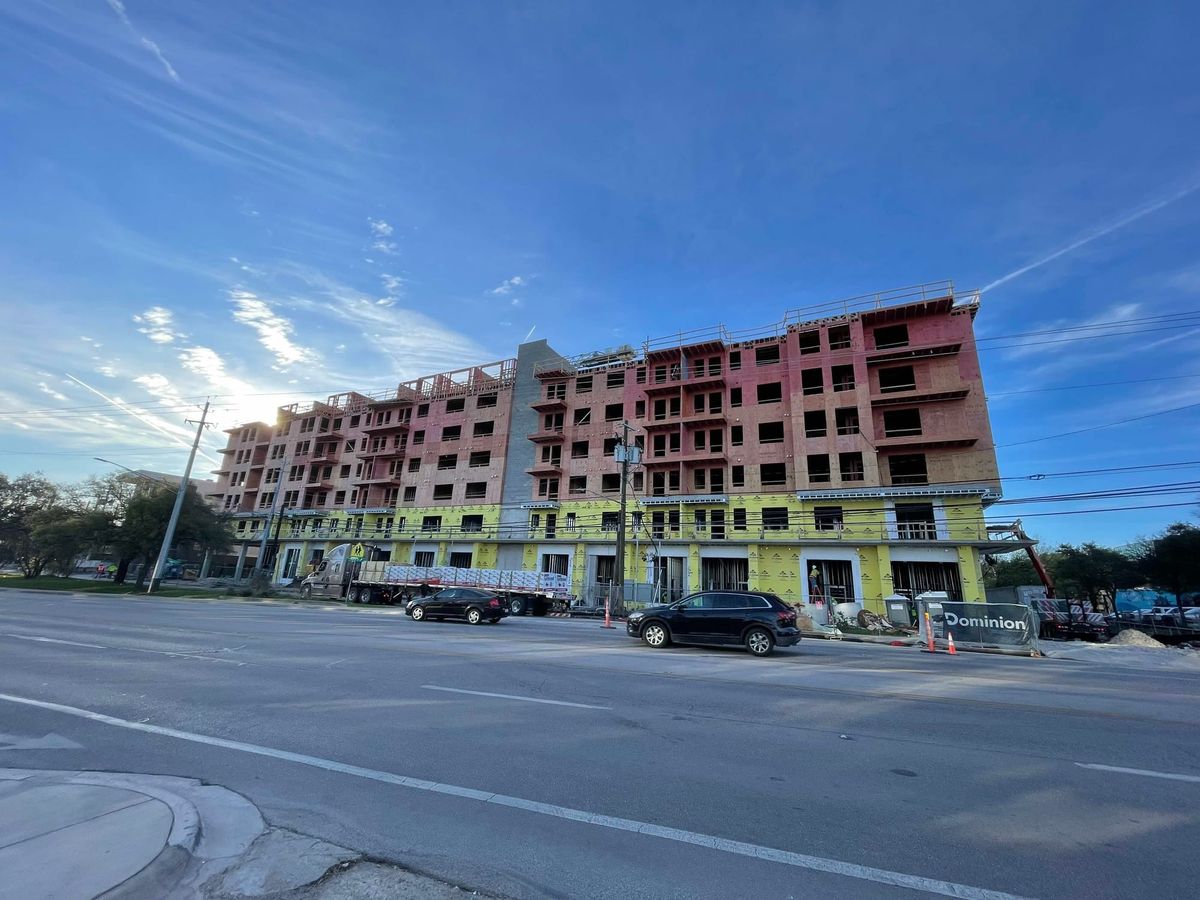
Housing developments participating in the city's new affordable housing density bonus program won't have to provide income-restricted units on-site unless they are located within a half-mile of future light rail corridors.
That's the compromise that was proposed by city housing staff and approved by City Council last week after only a couple minutes of discussion.
Thanks to today's sponsor!

Zoning, transit, infrastructure and development decisions can shape both a home’s value and your quality of life. Lonny Stern combines more than 20 years as an Austin Realtor with a professional background in urban planning, transportation and economic development. He currently serves on Austin’s Zoning & Platting Commission and helps clients make better-informed decisions about the property—and the city—around them.
Find a home that connects you to more of Austin.
City service is noted for biographical purposes only; no City endorsement is stated or implied.
The area depicted below — the Equitable Transit Oriented Development Overlay — is subject to a number of different land use regs. To put it simply, you can build bigger and taller in the overlay because the city rightly wants to get as many people living within a short walk of its multi-billion dollar transit investment (assuming that it does eventually get built).
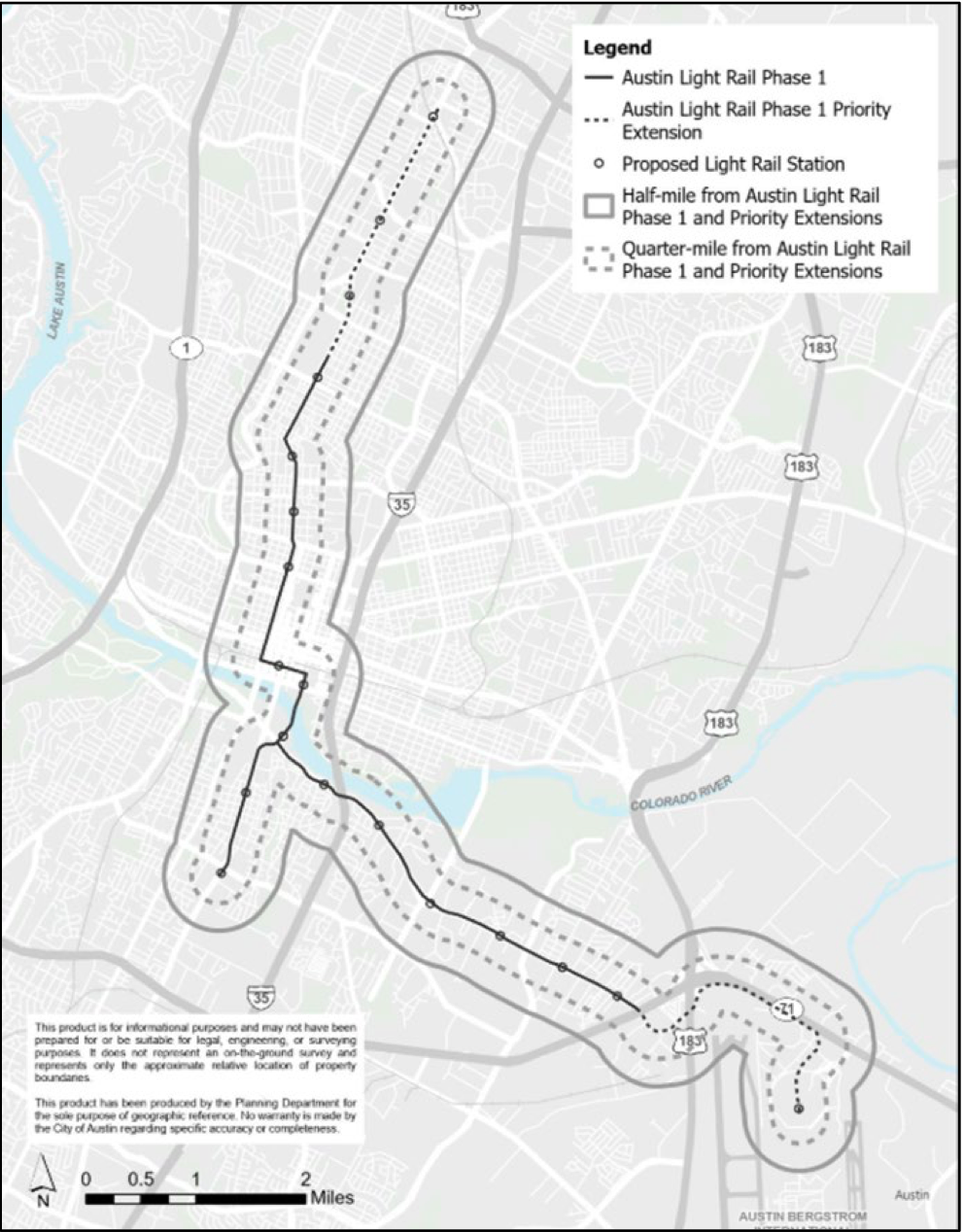
But the on-site affordable housing requirement is one way that ETOD development will be more restrictive than development elsewhere. There is a logic to this as well. Poorer people are more likely to use public transit and derive a greater benefit from it.
The required affordable housing percentage will also be greater in the ETOD: 12% vs 10%.
The benefits & drawbacks of fee-in-lieu
As is the case with just about every other affordable housing policy lever, there are pros and cons to requiring developers to build affordable housing on-site.
The big benefit is that it bolsters economic integration and offers low-income people access to the opportunities associated with new housing in expensive areas.
As for drawbacks, the first is that it's hard to ensure that market-rate developers will actually enforce the income restrictions and rent limits. In some cases requiring on-site units in a luxury development will result in fewer overall units than simply giving the money to an affordable housing developer to build somewhere else — even somewhere else very nearby. Finally, the biggest risk is that an on-site requirement might discourage developers from taking part in the program at all, resulting in fewer market-rate units and affordable units.
Traditionally density bonuses in Austin have required developers to made 10% of units affordable for those any 60% of the area median income. However, the new program requires them to be affordable at 50% AMI. Why? Because the market in Austin is already providing units affordable at 60% AMI.
Participating for-sale developments, however, will be required to provide 10% of the units for those at 80% AMI.
For developments outside of the ETOD zone, here is the per-unit fee that developers will have the option of paying instead of providing the affordable housing on-site:
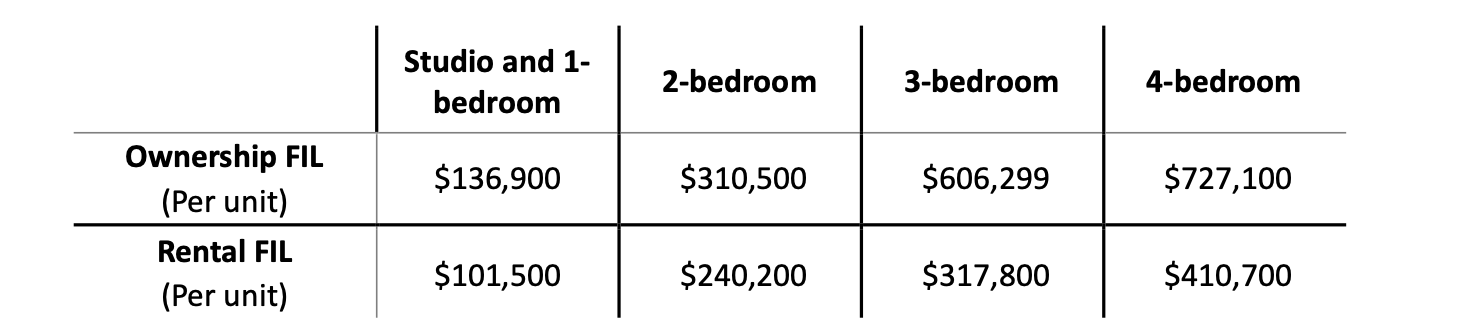
The difference in fee based on bedroom count is interesting. The fee for a 2BR rental unit is 137% higher than for a 1BR, but the fee for a 3BR rental is only 32% higher than that for a 2BR. When it comes to for-sale units, however, there is a major difference between 3BR and 2BR. The fees, of course, are supposed to reflect how the market is pricing these different types of units.
Applauding the new rules, Council Member Zo Qadri, whose central district includes more of the ETOD zone than any other, said it had been "especially hard" to get new "moderate and low-income housing in my district along transit corridors because the land is just really expensive."
Ryan Alter was also supportive but urged city housing staff to observe how the rules play out in the coming years, lest the rules end up backfiring.
"Because the last thing we'd want is people to underdevelop the ETODs because they don't have this option and they just choose to develop elsewhere," he said.
We'll see!
Please tell your friends to get their OWN subscription to the Austin Politics Newsletter! And if you found this article particularly valuable, you can show your appreciation by buying me a cup of coffee to fuel further investigation and analysis of city politics.