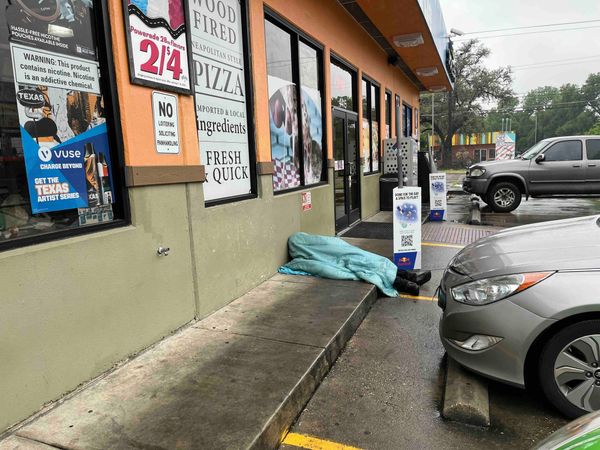
Has Austin "reinvented" itself as walkable?
I'm skeptical.

Zilker will be OK
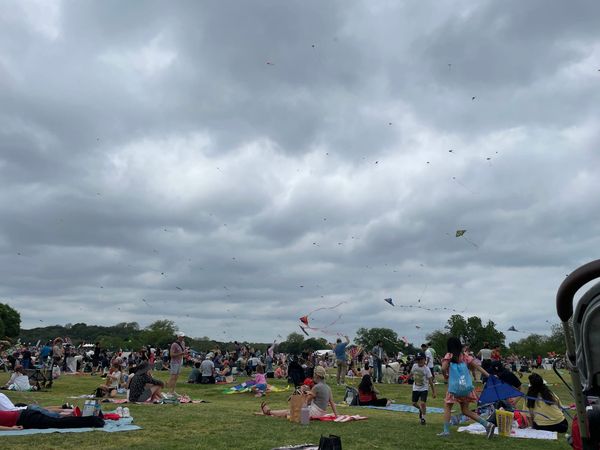
KUT has an update on the hullabaloo over Zilker Park. Council Member Ryan Alter, who last week called the muddy conditions wrought by ACL "unacceptable," now says that things actually aren't so bad:
“I’ve heard the lawn is in better shape than we all probably would guess,” Alter said on Wednesday after speaking with city and festival staff. “It’s still very brown and doesn’t look great, but underneath that mud and dirt is actually still healthy grass.”
Today's sponsor:

The Austin Metric is a new policy-focused newsletter by Julio Gonzalez Altamirano. Each month, Julio will analyze the most meaningful local-government policy story in Austin. No AI slop or hot takes. Just wonky coverage of the decisions that matter. The Austin Metric newsletter is free and always will be. Subscribe today.
This is bad news for the small but vocal contingent in Austin that believes ACL should be kicked out of Zilker. A popular suggestion is that it should be relocated to Circuit of the Americas.
It's not surprising that some people who live near a major music festival would find it annoying. It's very possible that I would find it annoying too. But what makes the complaints ironic in Austin is that many of the critics are old hippies who think of themselves as guardians of Austin's artsy spirit.
Of course, they would argue that, like SXSW, ACL has become a big, star-studded expensive event that no longer reflects the "weird" independent ethos of the live music scene for which Austin is renowned.
I don't know if I can argue with them on that. It is, however, a massive economic boon to the city that supports local businesses and boosts sales tax revenue and hotel tax revenue. Although most of the city's hotel tax revenue is unfortunately committed to supporting the Convention Center, 30% of it supports historic preservation and local arts and music programs.
Austin gets some love from urbanist YouTuber
Ray Delahanty, who runs the popular YouTube show City Nerd, spent a few days in Austin and profiled the city's progress on walkability and transit. Here's how he introduced the segment:
"When it comes to walkability, transit and dense urban living, Sun Belt cities are always a challenge just because so much of their growth and development came after the mid-20th century rise of car-dependent design, but there's probably no Sun Belt city that has reinvented itself and been more intentional about the way it's grown than Austin, Texas."
Is he right?
He is certainly right when it comes to the few areas of town he visited: downtown, West Campus, Mueller and parts of Central East Austin. But in the great majority of the city, where most people live, the land use and mobility paradigm is pretty similar to 30 years ago. That's not to dismiss the new sidewalks and bike lanes that have been built over the past decade, but most of Austin's major roads have not been "reinvented" to favor pedestrians even in instances where there has been a surge of dense development (S. Lamar, N. Lamar, E. Riverside, Burnet, etc).
Delahanty also spoke very optimistically about Austin's public transit system, highlighting Cap Metro's frequent bus network and the future light rail route, describing it as a "strong north-south spine through the city's highest-density areas." I think that was originally envisioned was a very strong spine; I don't think that description applies to the 9-mile segment that is planned to be built in the next 6-7 years. As for the existing bus service, the sad fact is that some of the bright spots Delahanty highlighted (new MetroRapid routes) have failed to boost bus ridership.
If you were forwarded this email, please consider getting your own subscription to the Austin Politics Newsletter! And please check out my other newsletter/podcast, Neighborhood Matters!