Is the police contract paying off?
Did pay raises solve the staffing problem?

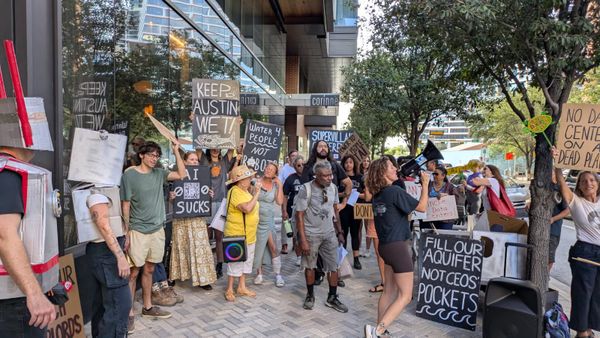
In the fall of 2024 there was a full court press by Mayor Kirk Watson and City Manager T.C. Broadnax to get City Council to approve a union contract that would give police officers unprecedented pay raises.
Both the police union and city management embraced the narrative that officers needed unprecedented raises because they were being forced (by a voter-approved charter amendment) to submit to increased oversight and were suffering from a crisis in morale due to prosecutions by District Attorney José Garza and the 2020 "defunding" exercise. Approving the contract would send a signal, both to current and prospective cops, that Austin values police officers, an important step to resolving APD's staffing shortage.
All but one City Council member (Zo Qadri) voted for the contract, which hiked police pay by 8% in 2025, 6% in 2026, 5% in years 2027 and 2028 and 4% in 2029. I think the only city that has hiked salaries more dramatically in recent years is Houston (36.5% over five years), which is also facing serious budget problems.
(For context, city of Austin civilian employees got 4% raises in 2025 and 2026...there is no raise budgeted this year due to the shortfall)
So, has the contract boosted recruitment and reduced quitting?
There certainly has not been a sea change on recruitment. The story is essentially the same as in the recent past: APD is struggling to attract qualified recruits.
Three police academy classes (154th, 155th, 156th) have begun and concluded since the contract passed. 187 cadets qualified for the academy but only 109 (58.3%) graduated to become officers.
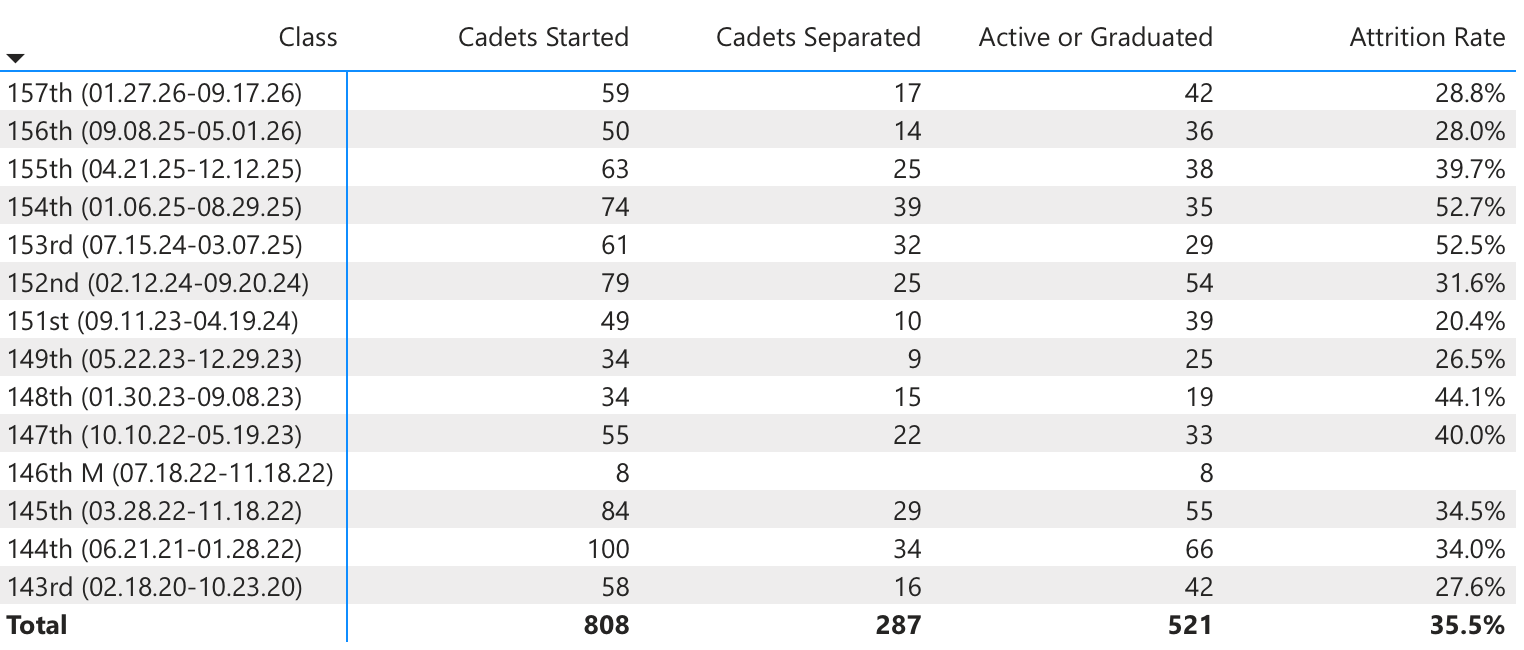
In the three cadet classes preceding the contract, 189 qualified for the academy and 122 graduated. So no obvious improvement in recruiting.
Said one source: "The bottleneck right now is just finding qualified applicants."
This is a national phenomenon. Fewer people want to become cops. And, at least in Austin, an increasing number of those who do show up to the academy don't graduate, either because they don't meet the academic and physical requirements or they decide it's not for them.
OK, so the contract doesn't appear to be helping recruitment, but what about retention? Has it helped there?
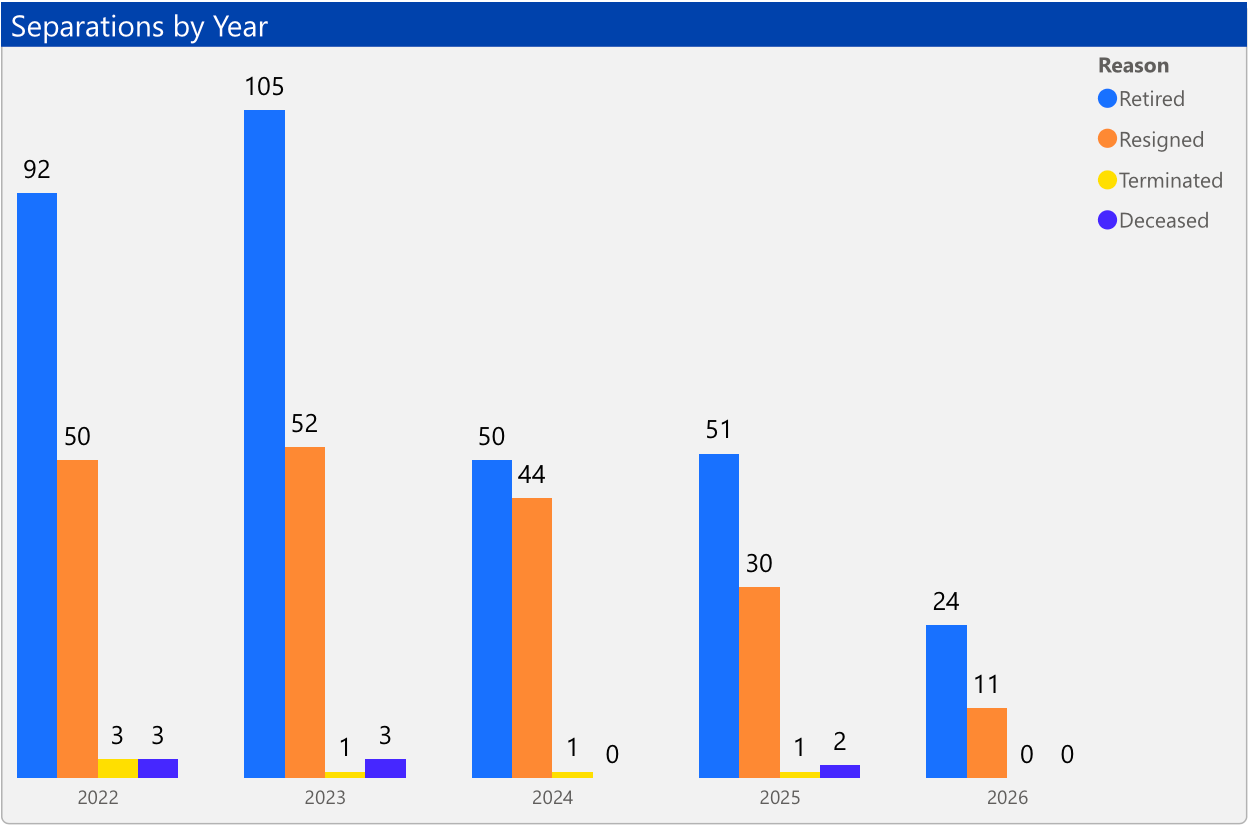
Frankly, it's very hard to say with just this data. APD had a big wave of retirements from 2020-23. That certainly had at least something to do with the post-George Floyd political situation, but there also just happened to be a big cohort of officers reaching retirement age. That big wave appears to have finally crested in 2024, the last year before the contract, and the approval of the contract doesn't appear to have changed things much.
However, resignations did drop in the first year of the contract (44 to 30) and there are only 11 so far this year. In theory resignations should reflect job dissatisfaction more than retirements.
According to an APD spokesperson, there are current 1,477 officers, down from about 1,800 in 2019. At the current rate, the city is netting a couple dozen officers per year.
Anyway, there are many, many variables shaping the life decisions this data captures. But so far there is no indication that the contract has been a game-changer in addressing APD's staffing shortage.
Looking for an easy way to promote your brand and support investigative journalism? Become an APN sponsor!
Please tell your friends to get their OWN subscription to the Austin Politics Newsletter! And if you found this article particularly valuable, you can show your appreciation by buying me a cup of coffee to fuel further investigation and analysis of city politics.