UNO isn't good enough
Lots of student housing is good, but how about family housing?

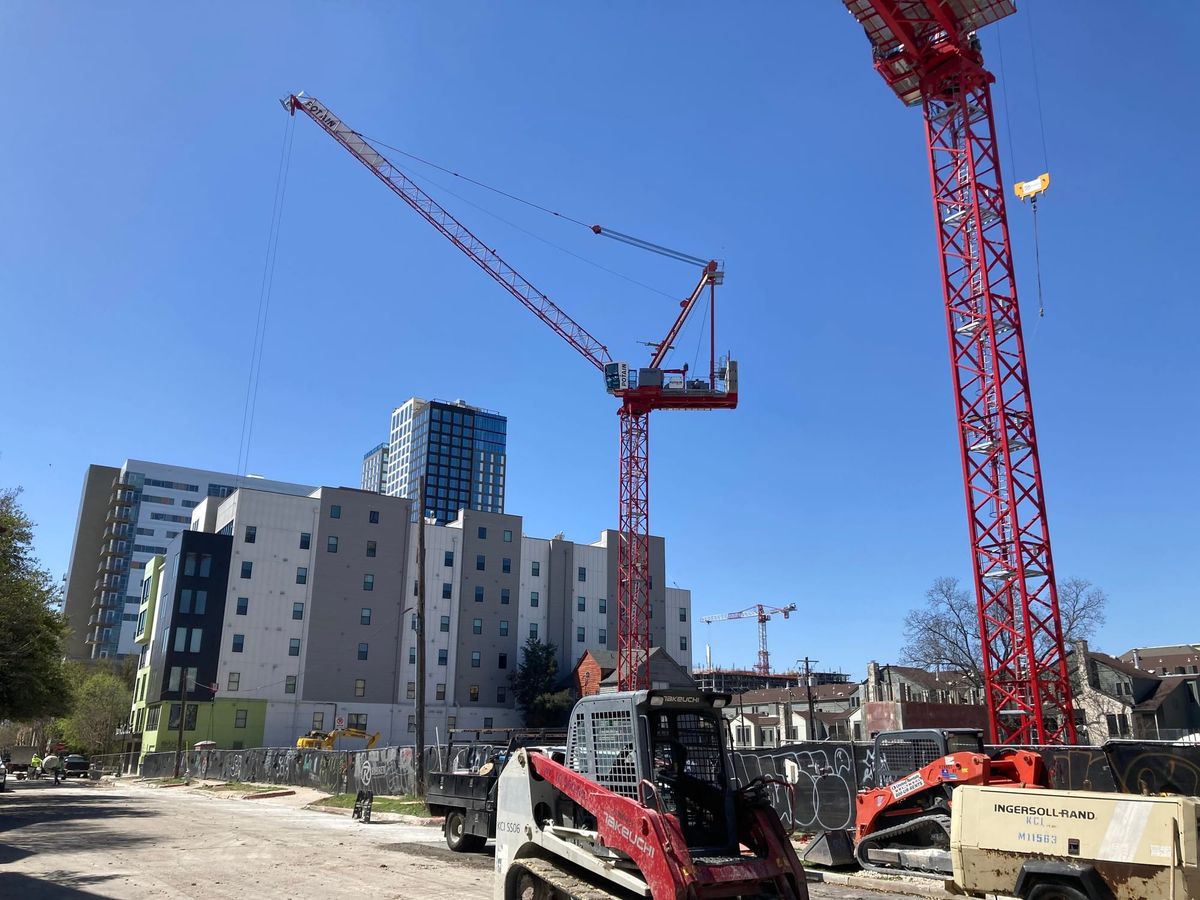
One of the greatest successes of the pro-housing movement in Austin has been one of the least controversial. Over the past 20 years, political leaders from across the housing political spectrum have largely embraced (or at least accepted) the takeover of West Campus by high-rises.
Thanks to today's sponsor:

Adam Loewy is one of the top injury lawyers in Austin and very active in Texas politics. While he often disagrees with Jack Craver’s opinions, he’s proud to support independent media.
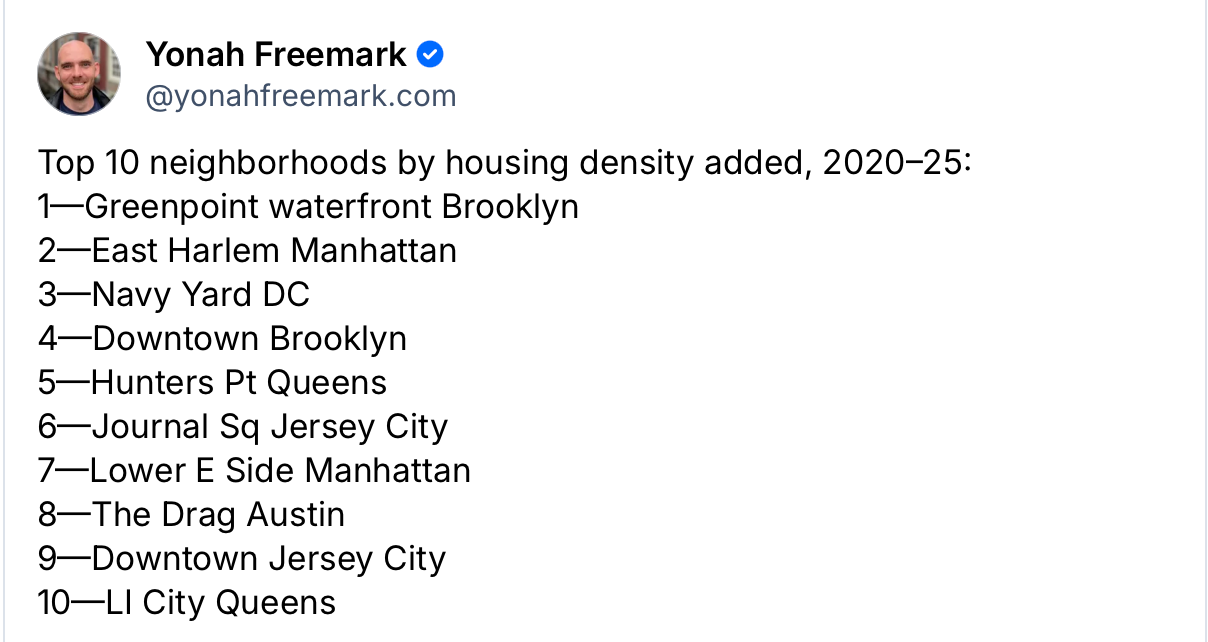
According to research by Yonah Freemark, a housing scholar at the Urban Institute, West Campus (missnamed "the Drag" in his list) was #8 among American neighborhoods for new housing density over the past five years.
The West Campus transformation was enabled by the University Neighborhood Overlay (UNO) district in 2004 and bolstered by subsequent changes to it to allow even greater density.
The cool thing about UNO is that it included a density bonus that almost every developer has chosen to opt into because the bonus was too attractive to forgo. In exchange for the increased density, there is a required affordable housing set aside and requirements for streetscaping that have resulted in wide, attractive sidewalks, street trees and the like.
The result has been that far more UT students live in the campus area. This is probably one of the reasons Cap Metro bus ridership declined in the 2010's, as one of the biggest populations of car-free Austinites replaced a lot of bus trips with trips by foot, bike or – sigh – scooter.
There has been an effort to further bolster UNO's density that was stalled after running into vague opposition from UT last year. Urbanists hope to revive that plan at some point. If the new housing isn't enough of a good reason, then the increased tax revenue from new construction should certainly be of interest to the city!
So UNO has been a great success — and it could be an even greater success — but just like the new housing downtown and on many of the major corridors, it is insufficient.