Rents will rise again & crazy primary turnout

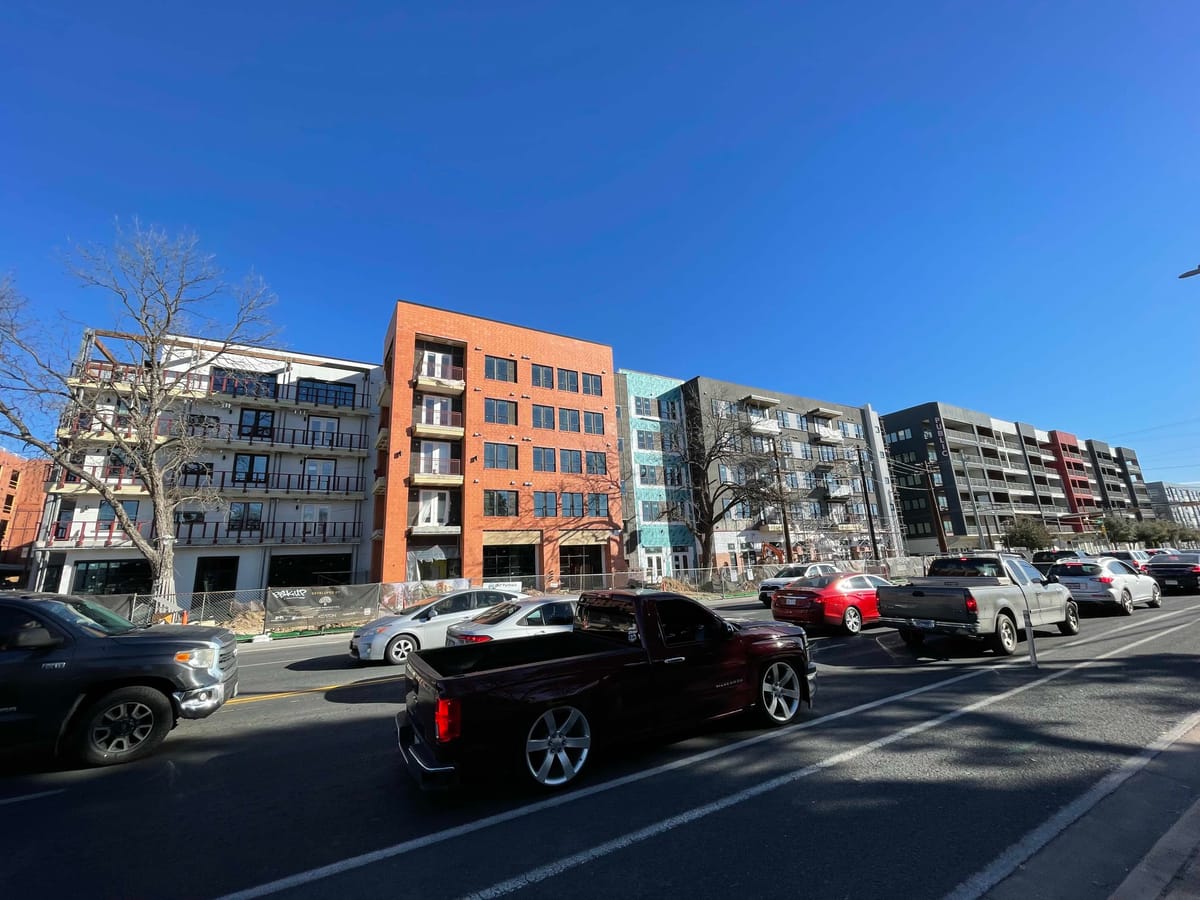
Just my luck. The day after I wrote another article about just how low rents have dropped, a Wall Street Journal headline proclaims, "Austin is about to get more expensive."
Darn. In my defense, I have been warning for the past year that it will come eventually.
This week's sponsor:

Curious if HOME means someone may want to buy your backyard? I've created over 3,000 small unit condo regimes that allow homeowners to quickly and affordably unlock equity by separating their lot into 2 or 3 units without the headache and expense of involving city government. Contact Julie Alexander (julie@texascondolaw.com) for more information!
Here's the crux:
The Texas capital became a symbol of the pandemic housing boom when it attracted waves of new companies and white-collar workers eager to capitalize on lower taxes and less business regulation in the city.
That population growth fueled a surge in new development. Starting in 2020, the city added tens of thousands of apartments each year, eventually creating a massive glut. Rents and home prices in Austin have fallen more than in most any major U.S. city since then.
Now, Austin’s trove of empty apartments is starting to run dry. The city is expected to deliver just under 9,000 apartment units this year, roughly half the 2025 number and 72% lower than the 2024 peak, according to CoStar.
As a result, the vacancy rate is dropping.
(According to the data cited by the Journal, the vacancy rate peaked at just under 16% in mid-2024 and has since declined to about 13%. Oddly, the data cited in a recent presentation (bottom of this article) by the city housing dept said it peaked at 14.2%. What's really odd is that both were based on the same source: CoStar)
The Journal acknowledges the potential for economic disruptions that could keep prices low, notably the prospect of AI reducing employment in the tech sector. For what it's worth, I do not buy into the idea that AI is going to render human labor obsolete. What seems more likely, however, is that tech companies will be under a lot of near-term pressure to cut costs after investing so much capital into AI. Layoffs and hiring freezes are a predictable response to that pressure. Ed Zitron, a bombastic AI skeptic, seems to believe that Oracle, which has a huge presence in Austin, is set to implode.
None of this changes what city government should do. It should keep investing in subsidized housing for the poor via housing bonds and it should take serious action to reform its broken development review and permitting process, which makes it much harder for builders to quickly get units on the ground in response to high demand.
Crazy Dem primary turnout. What does it mean?
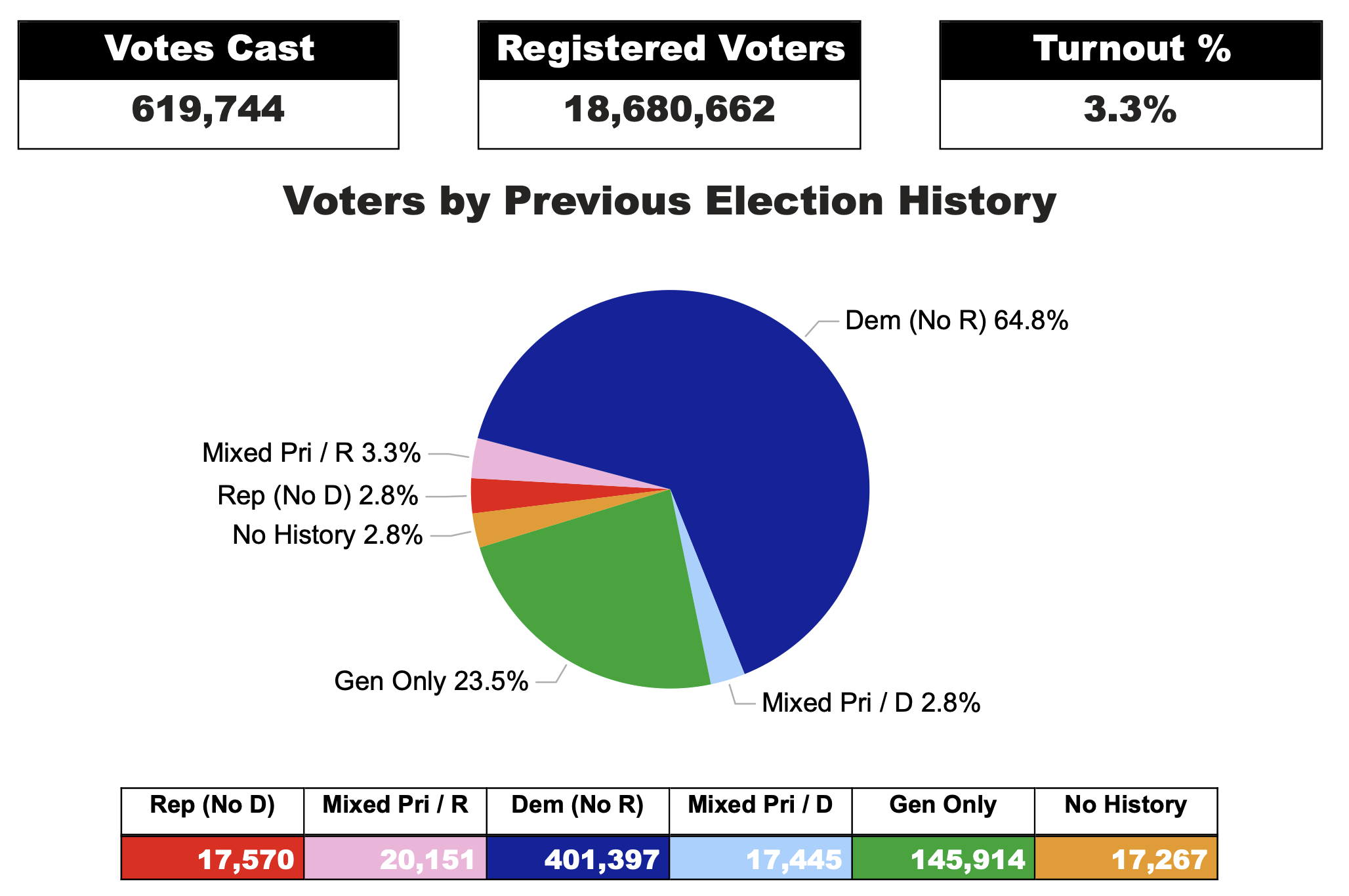
Veteran GOP consultant Derek Ryan has published some very interesting data on the turnout in the Texas primary thus far. The following numbers account for early voting through Sunday.
Here is the Dem primary:
And here is the GOP primary:
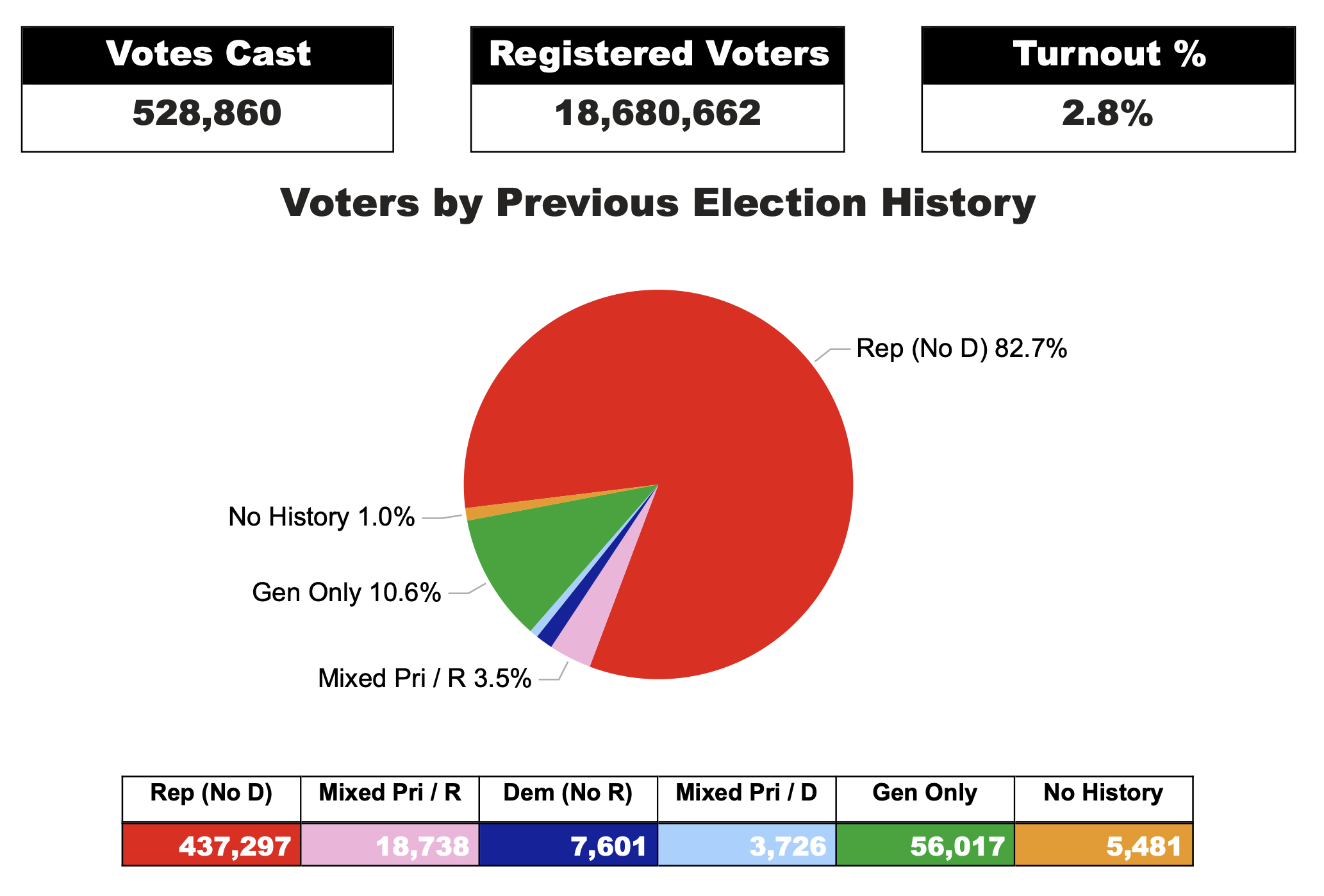
Some quick takeaways:
- Dem turnout exceeds Republican turnout
- Dem primary turnout this year exceeds Dem primary turnout in 2020, when there was a competitive presidential contest (Biden v Bernie) on the ballot
There is no easy way for Republicans to dismiss what appears to be a significant enthusiasm gap. When Dems outvoted Republicans in the 2020 primary, that was easy to disregard because only the Dems had a competitive presidential primary on the ballot. This year, however, both parties have competitive U.S. Senate primaries.
Record primary turnout doesn't necessarily translate into record general election turnout. It's important to note that only 2.8% of those in the Dem primary and 1% of those in the GOP primary appear to be first-time voters.
But you rarely have high hopes of turning out completely new voters in a midterm election. The turnout challenge in the midterm is trying to get a lot of people who typically only vote in presidential elections to show up.
And on that front, there are encouraging signs for Dems. Nearly a quarter of the votes cast in their primary come from people who have only ever voted in general elections. That hints at a higher level of engagement among normies than usual. In the 2024 & 2022 primaries, only about 14% of Dem primary voters had "gen-only" history. This year looks more like 2020, when the share was 30%.
Meanwhile, it's the first primary election for only 10.6% of GOP voters, compared to between 15-17% in the past three election cycles.
Please tell your friends to get their OWN subscription to the Austin Politics Newsletter! And if you found this article particularly valuable, you can show your appreciation by buying me a cup of coffee to fuel further investigation and analysis of city politics.