The different flavors of East Austin politics

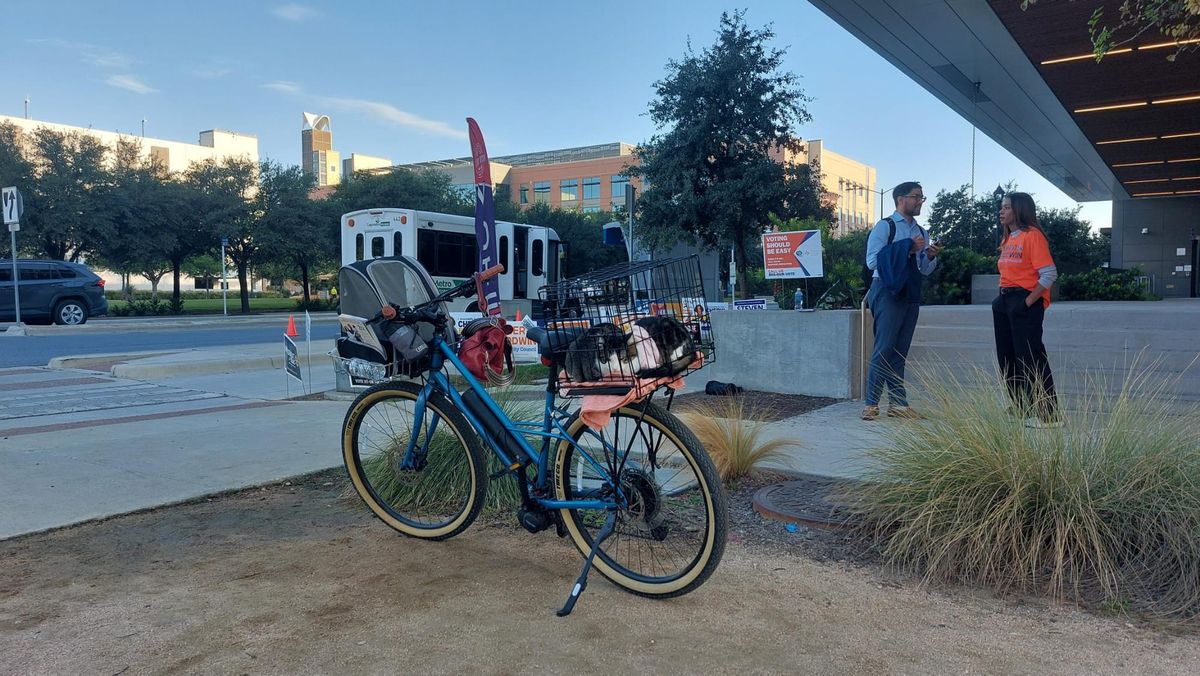
The race for District 1 is something of a tapestry of East Austin politics, showcasing different factions and trends that I've observed in my 11 years covering City Hall.
I find it very hard to meaningfully evaluate candidates with no records. You can talk to them and look at their public statements, but often you're not going to get a good sense of how they'll actually deal with the issues they're confronted with on City Council. But if nothing else the campaign offers a clue at their worldview and the constituencies they care about.
Today's sponsor:

The Austin Metric is a new policy-focused newsletter by Julio Gonzalez Altamirano. Each month, Julio will analyze the most meaningful local-government policy story in Austin. No AI slop or hot takes. Just wonky coverage of the decisions that matter. The Austin Metric newsletter is free and always will be. Subscribe today.
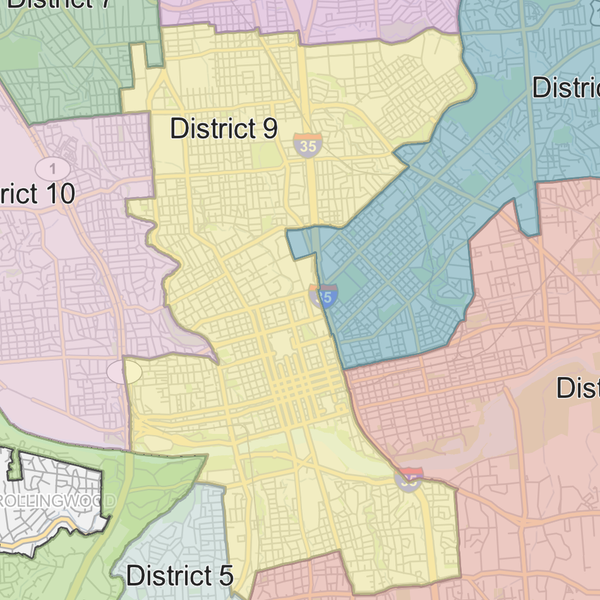
First, a little D1 history. The district was created intentionally to maximize African American political power. However, it is not majority or even plurality Black. According to the most recent data, the district is now 39% Hispanic, 29% white and 19% Black, and 7% Asian.
The first representative of D1 during the 10-1 era was Ora Houston, an emblem of the traditional East Austin Black political establishment. Houston was politically ambiguous. Having grown up in a segregated city, she was keenly aware of the harm done to Austin's Black population by reactionary white establishment of the past but she also distrusted the new brand of progressive and racial justice politics embodied by the likes of her young colleague Greg Casar.
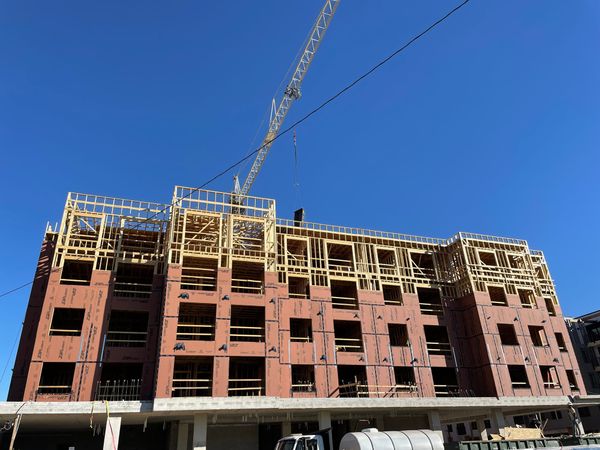
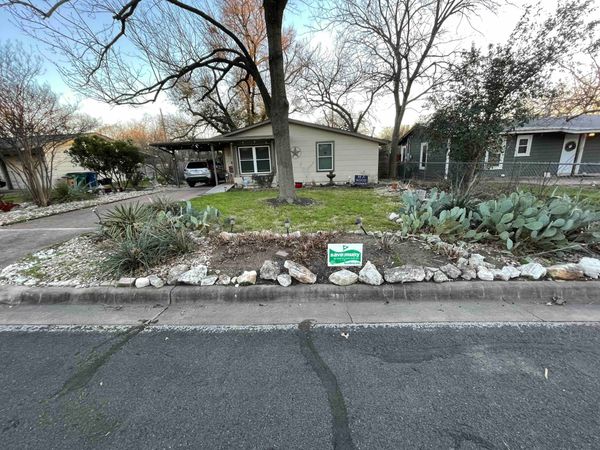
She mourned the gentrification of the east side and, like many others, believed development on the east side was the deliberate result of a policy that directed growth away from the Barton Springs Zone that (white) environmental activists fought so hard to protect. That narrative is not entirely correct (the "Desired Development Zone" established in the 90's includes most of the city, including largely white central neighborhoods) but Houston's response to it was to instinctively oppose development everywhere, whether in her own district or affluent white areas of West Austin. She never really articulated a vision for what city government should do but mostly reacted against things she didn't like – bike infrastructure, taxes, etc.