Another homeless encampment strategy
There's only so much the city can do.

The Homeless Strategy Office announced a new "homeless encampment management plan" yesterday (emphasis mine):
The City currently receives an average of 775 Austin 3-1-1 service requests each month related to encampments and hundreds more follow-up inquiries to these reports. While current operations allow for periodic encampment response, existing staffing levels do not support consistent follow-up or maintenance of previously cleared locations. As a result, many sites experience recurring activity, limiting the City’s ability to maintain progress and public confidence. The updated model is intended to address this structural limitation by increasing operational capacity and establishing a system that balances initial response with ongoing site management.
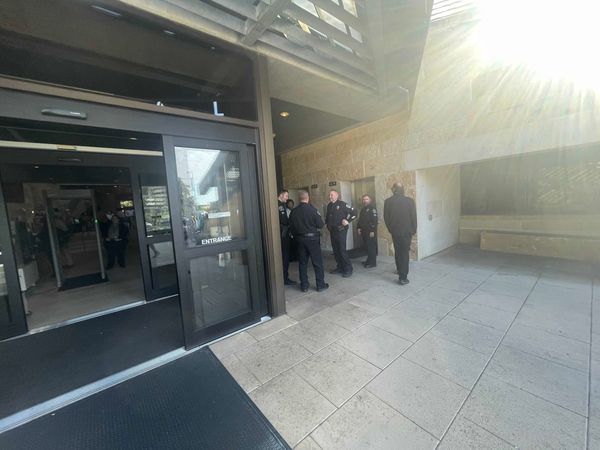
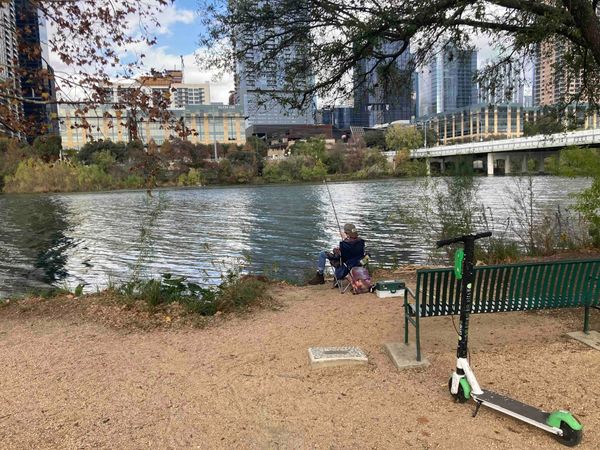
HSO is establishing six teams to deal with encampments. Three will be assigned to deal with parks, greenbelts and residential areas in broad geographic areas, one will focus on transportation corridors, one will deal with waterways, and one will deal with "post-cleanup litter abatement."
An HSO spokesperson tells me that "in general" each team will have 6-10 staff.
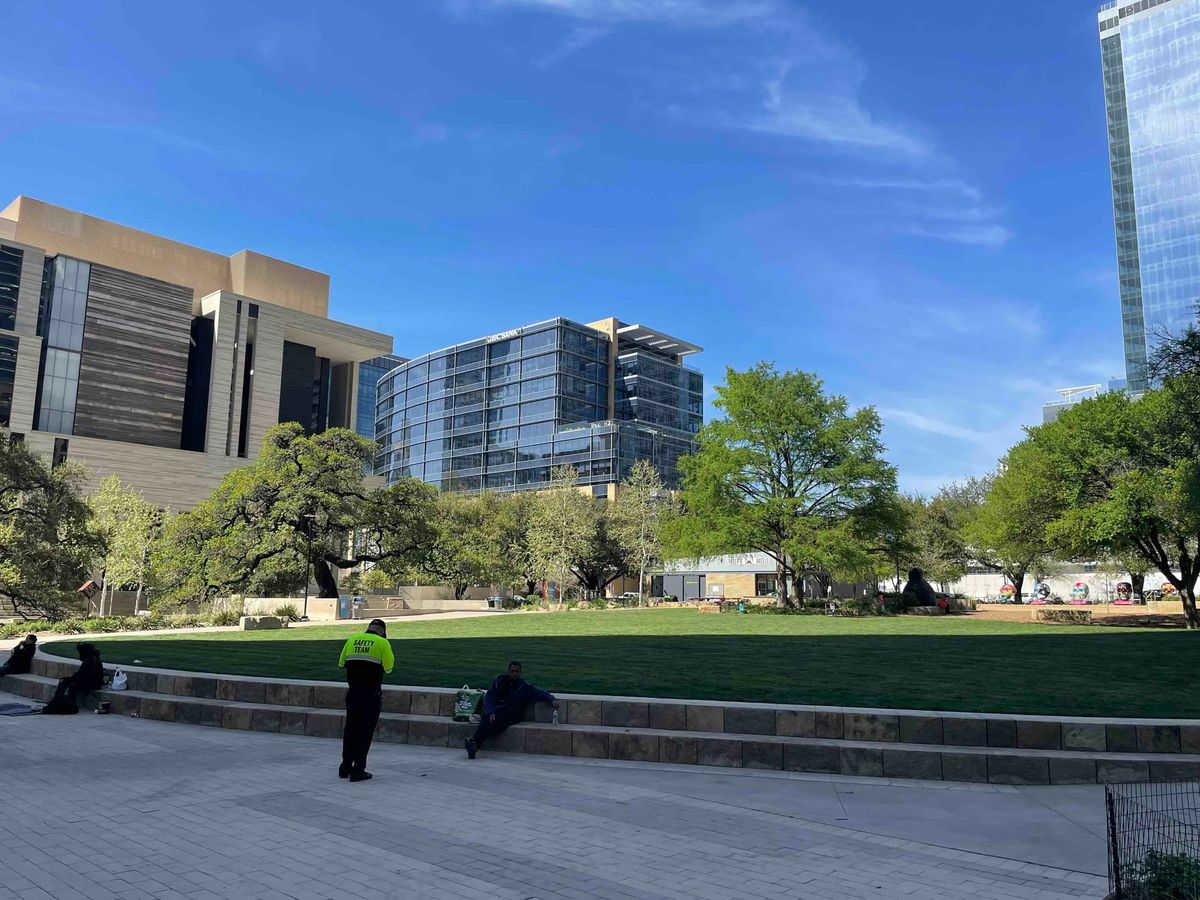
The city can and should prevent public spaces from being overtaken by encampments. Nothing breeds civic cynicism more than the despoiling of a park or greenbelt.
But let's be real: much of the angst about homelessness is not linked to violations of the camping ban. Homeless people have every right to sit on park benches, ride on the bus or use the library but their presence in those places makes them less desirable to others. That's not an issue that can be solved with "enforcement." It can only be solved with a massive investment in housing and services that no major city, and certainly not the city of Austin, is able to make at this point.
Sorry.
America's YIMBYish mayors
A recent survey of U.S. mayors offers some interesting insights on housing politics in America. The poll conducted by the Boston University Initiative on Cities sought opinion from 500 U.S. mayors and got responses from 99: 79 Democrats and 20 Republicans.
At first glance, the responses show that mayors are far more likely than average Americans to blame high housing costs on a lack of housing supply.