How not to answer a 911 call
A deaf man was mistakenly deemed drunk.

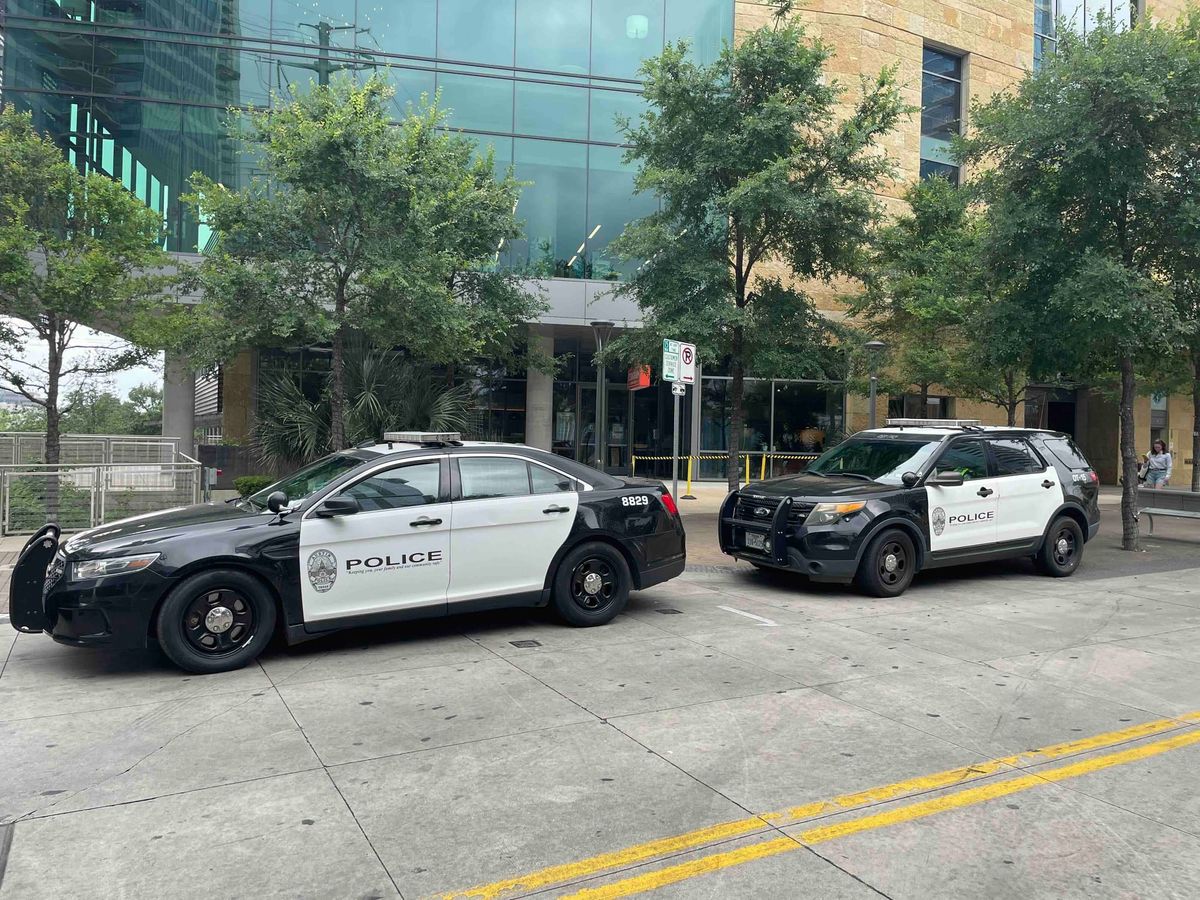
If you want a sense of how a police-focused 911 response system can go wrong, check out the demand sent to the city by the University of Texas School of Law Civil Rights Clinic on behalf of Tyree Talley, a deaf Uber driver who was wrongfully arrested for drunk driving last year.

Zoning, transit, infrastructure and development decisions can shape both a home’s value and your quality of life. Lonny Stern combines more than 20 years as an Austin Realtor with a professional background in urban planning, transportation and economic development. He currently serves on Austin’s Zoning & Platting Commission and helps clients make better-informed decisions about the property—and the city—around them.
Find a home that connects you to more of Austin.
City service is noted for biographical purposes only; no City endorsement is stated or implied.
The demand, which asks for $351,000 of damages, describes the events leading up to Talley's wrongful arrest:
On July 20, 2025, a concerned citizen discovered Mr. Talley sleeping in his vehicle in an apartment complex parking lot driveway and called 911 for medical assistance. An ambulance was not dispatched. Rather, two Austin police patrol officers arrived at the scene.
The officers attempted to wake Mr. Talley by calling out to him but could not wake him because he could not hear them. The two patrol officers then woke Mr. Talley by touch and quickly understood that Mr. Talley was Deaf. Austin police officer Luis Camacho, a certified Drug Recognition Expert, arrived shortly after and was informed by the two officers who were first on scene that Mr. Talley was Deaf.
Despite learning of Mr. Talley’s disability, Luis Camacho repeatedly attempted to interrogate and communicate with Mr. Talley verbally and by writing questions and instructions on his notepad. Austin Police Department policy no. 403.4.2(b) makes it clear that this was improper: “If the person is deaf, a certified interpreter from the current service contractor will assist in translating during the interrogation.”
To be clear, the legal issue is not that the 911 center dispatched the wrong resource. The issue is that the officer who arrived violated department rules and federal disability law. But issues of poor police training and culture are compounded by a 911 center biased in favor of police response.