The case for social mobility
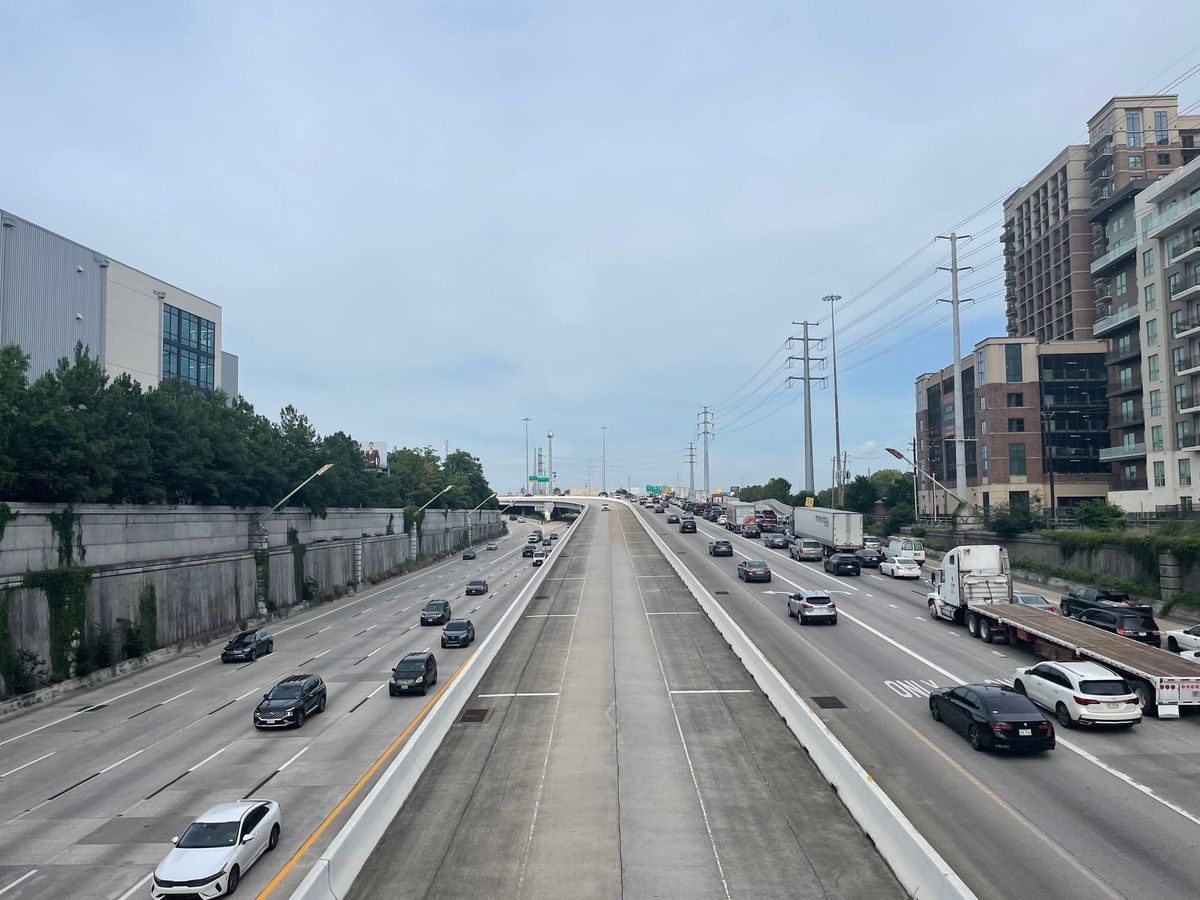
America's transportation paradigm is anti-social and unhealthy.

APN is back! Happy New Year.
Back in November of 2017, I went to bar in downtown Austin (Ginger Man, RIP) and heard Jeffrey Tumlin, a transit advocate who had become something of a hero in urbanist circles for his ambitious efforts to undo decades of car-centric planning as transportation director in Oakland, Calif. I later summarized what I thought was his most compelling point in a headline for the Austin Monitor (RIP), Urbanist speaker: Cars no longer provide freedom, sex.
This was his argument:
Millennials, he said, were the first generation to not believe that buying a car leads to “freedom, autonomy, social status and sex.” In fact, he said, young people understand that the one thing that does provide those things – a smartphone – can’t be used in a car.
Not great writing on my part. Smartphones of course can be used in a car, but they shouldn't be looked at while driving. I blame the editor.
Anyway, I thought Tumlin's point was pretty good at the time. Now I look back and can't believe I ever thought it was a good point. Staring through a windshield and listening to Top 40 radio is definitely a better way to spend an hour than scrolling social media. In the likely (but not nearly likely enough) event that you don't crash, your brain will arrive at your destination in far better shape.
This is one of the reasons I have mixed feelings about driverless cars. It's impossible to reject a technology that could very well save tens of thousands of lives a year, but I'm not excited by the prospect of Americans spending even more time staring at their phones, forfeiting even more of their attention to the almighty algorithm.
Even the way people extol Waymo makes me uneasy. Sometimes they say the ride is smoother or safer, but often what they like most is the absence of a fellow human being. I'm not always in a chatty mood either (and nor do I face the threat of sexual violence from drivers as many female customers) but I've learned so much from conversations with Uber drivers. You should try it sometime. If – God help us – Kamala Harris really wants to run for president again, she'd be better off spending the next two years learning about America via conversations with Uber drivers than poring over polling data.
The takeover of society by smartphones over the past decade is analogous to the post-WWII takeover of American cities by cars. Both have sacrificed community and connection in the name of convenience and customization. Mid-century planners looked at urban neighborhoods, where all different kinds of homes mixed with all different kinds of shops and cars shared the streets with pedestrians, playing children and street vendors, as disorderly and backwards. The new suburbs were built on the promise of order and predictability. Single-family zoning and minimum lot sizes guaranteed that you'd only have neighbors of similar socioeconomic status and giant highways allowed you to get from your house to the underground parking lot of your office building without having to share a train or a sidewalk with strangers.
It's great that everyone is now recognizing the tremendous damage that smartphones and social media have done to children, but I feel like the efforts to protect children from them is dancing around the uncomfortable fact that we are all hopelessly addicted to Silicon Valley's digital fentanyl. A Beastie Boys line from 40 years ago comes to mind: "Your pops caught you smoking and he says, 'No way.' That hypocrite smokes two packs a day."
Back when I appreciated Tumlin's point about smartphones, I was preoccupied with economic arguments in support of walking, biking and public transit, notably relief from the financial burden of car ownership and the time burden of congestion.
But now I wonder if the most important and effective argument is a cultural and spiritual one. America is in the throes of an epidemic of social isolation. We see less of each other than ever before. We are less likely to know and trust our neighbors and our toxic politics reflect that. We no longer let kids wander our neighborhoods, make their own friends or engage in unstructured childhood adventure. Instead we shuttle them to various adult-led "enrichment" activities that we half-watch while scrolling our phones. Helicopter parenting does not depend on car-centric infrastructure, of course, but it is reinforced by it. The more a city is built for cars, the harder it is for kids to get around without parents.
It shouldn't have taken a full blown youth mental health crisis to prompt us to rethink our obsession with convenience and instant gratification. We were already decades into an obesity epidemic wrought largely by processed food that allowed us to avoid cooking and built environments designed to avoid walking.
We're all keenly aware that we're unhealthy. Hence the multi-billion dollar fitness industry, the ubiquity of wearable tracking devices, best-selling books about how anxious and depressed our kids have become, and, most tragically, the rise of the pseudoscientific MAHA cult led by our failson health secretary.
It would only be logical if the constant pleas for Americans, particularly children, to spend more time outside and less time on screens, were paired with a commitment to infrastructure that enables those things.
What if you spent less time walking on a treadmill and more time walking in the real world? What if we considered the safety and comfort of a kid biking to a friend's house more important than shaving 45 seconds off the commute of a suburban motorist? What if we built infrastructure that encourages people to interact with each other and nature? What if our major boulevards weren't depressing and dangerous?
We might not get to our destination quite as fast, but we'd be happier and healthier when we arrive.
Please tell your friends to get their OWN subscription to the Austin Politics Newsletter! And if you found this article particularly valuable, you can show your appreciation by buying me a cup of coffee to fuel further investigation and analysis of city politics.